Panasonic DMR-4X10¹⁰ marks a surprising resurgence in premium physical media hardware for the Japanese market

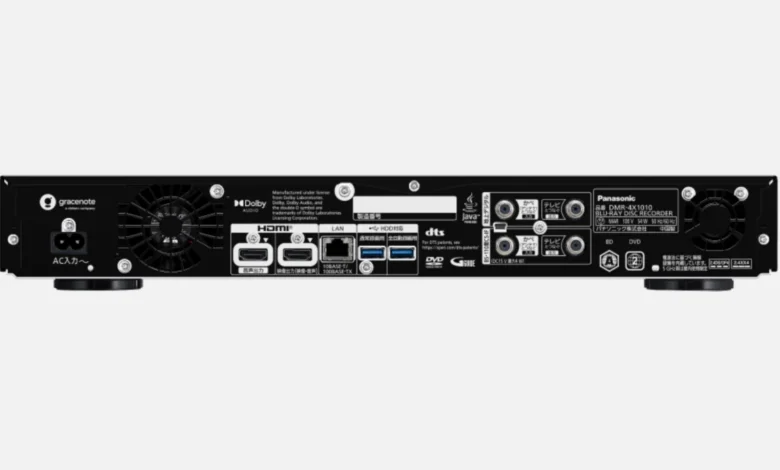
In a landscape dominated by streaming services and digital-first consumption, the physical media market has received an unexpected lifeline. Panasonic has announced the launch of the DMR-4X10¹⁰, a sophisticated 4K Ultra HD Blu-ray recorder and player that signals a continued commitment to high-fidelity home cinema, albeit one tethered to the specialized requirements of the Japanese consumer base. While the broader global market has seen a stagnation in new hardware development, this release highlights a persistent, high-end demand for optical media storage and local broadcast recording capabilities.
A New Flagship for the Disc Enthusiast
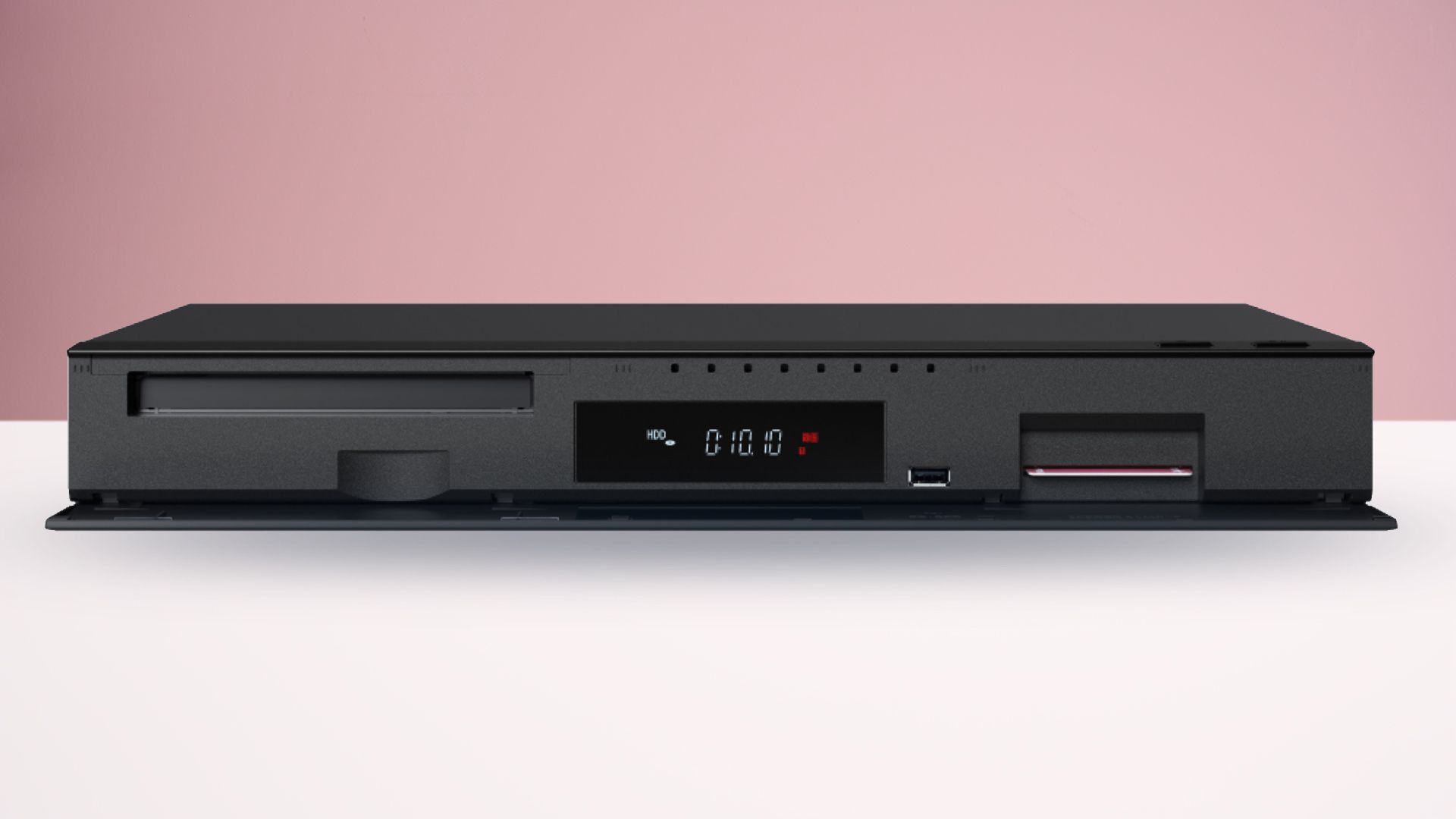
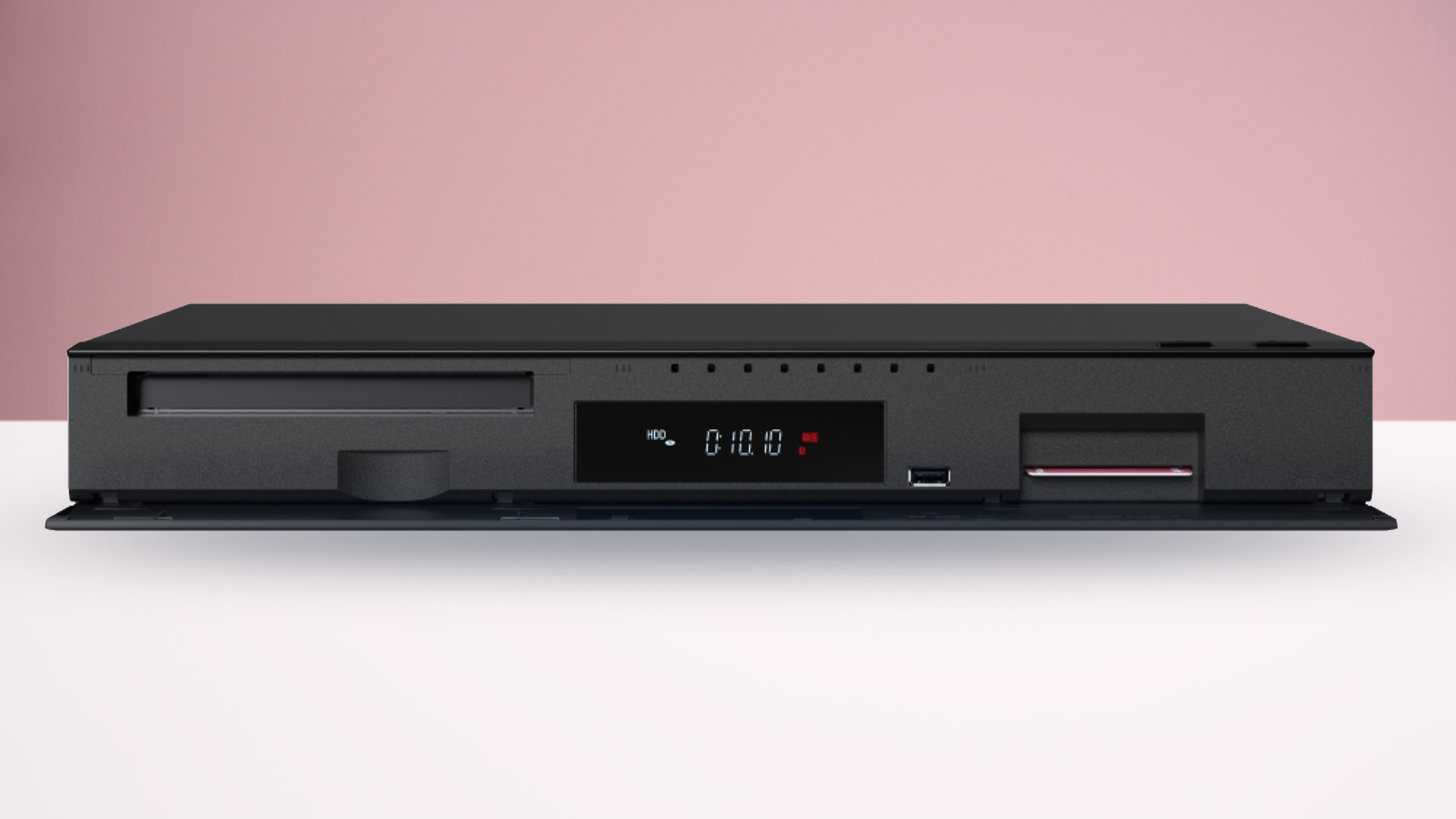
The Panasonic DMR-4X10¹⁰ is not designed for the casual viewer who relies on subscription-based platforms. Instead, it is a flagship piece of equipment, priced at 434,500 yen—approximately $2,800 USD. Its feature set is as expansive as its price tag suggests. Beyond its primary function as a playback device for 4K Blu-ray, standard Blu-ray, and DVD formats, the unit serves as a robust media management hub.
The centerpiece of the device is a massive 10TB internal hard drive. This storage capacity is specifically intended for recording high-definition television broadcasts. In Japan, where the culture of recording live television for permanent archives remains prevalent, the DMR-4X10¹⁰ functions as a "total media solution." The inclusion of 4K broadcast tuners allows users to capture live content with minimal quality loss, utilizing advanced AVC (Advanced Video Coding) encoders. These encoders are capable of compressing high-bitrate signals down to approximately 1.6Mbps, allowing for extensive storage without sacrificing the visual integrity of the broadcast.
Contextualizing the Market Shift
The arrival of the DMR-4X10¹⁰, which is scheduled for release through authorized dealers on October 22, 2026, follows a period of contraction for the Blu-ray player industry. For several years, major electronics manufacturers have scaled back production, leading to a "thin on the ground" reality for enthusiasts looking for new hardware.
This scarcity has driven a notable shift in market dynamics. While the entry-level market has effectively vanished, replaced by the convenience of smart TVs and integrated streaming apps, the high-end "enthusiast" segment has seen a bifurcation. On one end of the spectrum, we have devices like the DMR-4X10¹⁰, which focuses on utility, recording, and massive storage. On the other end, we have boutique players like the recently announced Magnetar Ultima. Priced at a staggering $12,000, the Magnetar represents the audiophile and cinephile extreme—a device built with high-end digital-to-analog converters and reference-grade components designed solely for playback performance.
This divergence illustrates that while mass-market interest in physical discs has waned, the niche market for premium, dedicated hardware remains surprisingly resilient.
Technical Capabilities and Cloud Integration
Beyond its raw storage, the DMR-4X10¹⁰ integrates modern connectivity that bridges the gap between physical media and cloud-based convenience. The device supports cloud recording and synchronization, allowing users to offload or mirror their stored content to platforms like Google Drive or Microsoft OneDrive. This functionality effectively turns the player into a personal media server, enabling access to recorded shows via mobile devices—a significant evolution from the static, tethered nature of traditional DVD/Blu-ray recorders.
Furthermore, the hardware leverages Panasonic’s proprietary AI Viera technology. This system uses machine learning algorithms to analyze the visual content in real-time. By identifying scene types—such as the high-motion environment of a live sports broadcast or the low-light, high-contrast aesthetic of a noir film—the processor dynamically adjusts picture parameters, such as brightness, contrast, and color saturation. Similarly, the system performs audio processing to enhance spatial immersion, tailoring the output to the specific acoustic characteristics of the media.
Chronology of the Physical Media Decline and Rebound
To understand the significance of the DMR-4X10¹⁰, one must look at the timeline of the format’s trajectory:
- 2016: The official launch of the 4K Ultra HD Blu-ray standard. Initial adoption was strong, with major manufacturers like Samsung, Sony, and Panasonic flooding the market with players.
- 2019-2021: The "Streaming Pivot." As internet bandwidth increased and 4K streaming services became the norm, major players like Samsung exited the hardware market entirely.
- 2023: Panasonic announced a significant price increase for its existing line of 4K players, citing increased manufacturing costs and the decline in economies of scale.
- September 2026: The dual announcement of the Magnetar Ultima and the Panasonic DMR-4X10¹⁰ marks a "September surge" in hardware, proving that despite previous warnings of the format’s death, there is still capital investment occurring in the space.
Industry Implications and Future Outlook
The release of these devices raises questions about the long-term sustainability of physical media. Industry analysts suggest that we are witnessing the "vinyl-ization" of the Blu-ray market. Just as vinyl records transformed from a mass-market commodity into a premium, collector-focused medium, physical discs are increasingly becoming a luxury format.
The Panasonic DMR-4X10¹⁰ is not just a player; it is an assertion of the "own your media" philosophy. By allowing users to record and store high-quality broadcasts, the machine acts as a bulwark against the instability of digital licensing. When a streaming service removes a title from its library, the user is left with nothing. For the owner of a 10TB-equipped recorder, the content remains locally available, independent of corporate licensing agreements or internet connectivity.
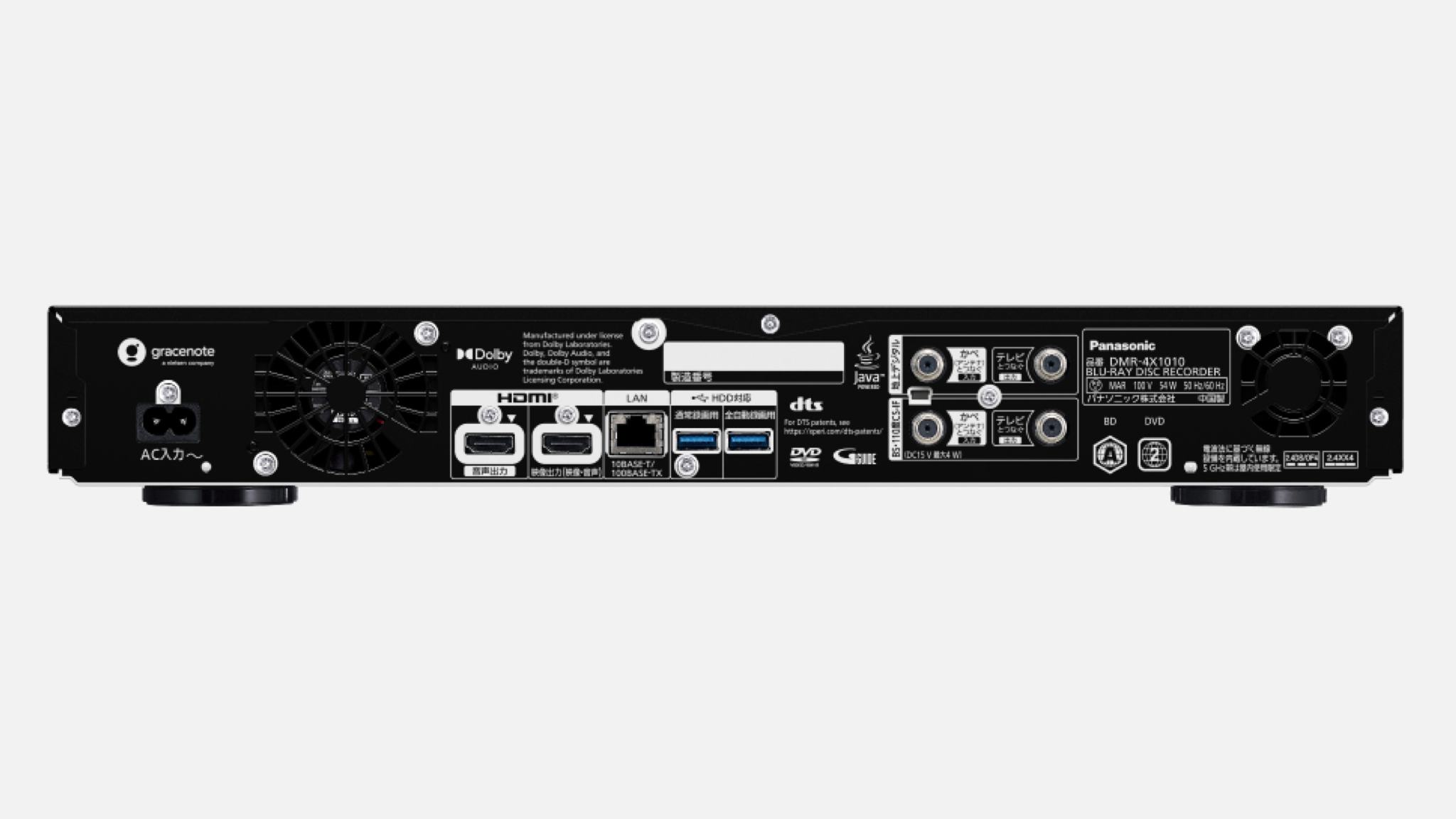
However, the geographic exclusivity of the DMR-4X10¹⁰—being restricted to the Japanese market—highlights the ongoing struggle for enthusiasts in other regions. While Japan continues to support advanced broadcast recording hardware, North American and European markets have become increasingly reliant on aging hardware or the secondary market for high-quality playback devices.
A Call for Mainstream Accessibility
Despite the excitement surrounding these new high-end units, the primary concern for the average movie enthusiast remains the lack of affordable, current-generation players. The disparity between a $2,800 Panasonic recorder and a $12,000 Magnetar player leaves a vacuum in the $300–$600 range where the average consumer would typically operate.
Whether this current trend of "extreme high-end" releases will eventually trickle down to more mainstream consumer hardware is a matter of debate. Manufacturers are understandably cautious, given that the vast majority of households have migrated to digital libraries. Nevertheless, the fact that Panasonic—a titan of the consumer electronics industry—is still willing to engineer and bring to market a device as complex as the DMR-4X10¹⁰ suggests that the bottom of the market has not yet fallen out.
As we look toward 2027 and beyond, the endurance of 4K Blu-ray will likely depend on this tension between the niche demand for premium quality and the mass-market convenience of the cloud. For now, the Panasonic DMR-4X10¹⁰ stands as a testament to the belief that, for a dedicated segment of the population, the disc remains the gold standard for home entertainment. It serves as a reminder that in an era of ephemeral digital content, there is still significant value placed on the ability to physically capture and control one’s own media library.